
Why picking the right mastic companies actually makes a massive difference

Why the final finish is often the most important part of your build
When you are standing in the middle of a newly renovated kitchen or a freshly tiled bathroom, it is easy to get caught up in the big details. You admire the choice of cabinetry, the way the light hits the floor, and the overall layout of the space. However, there is one small detail that can either make the entire project look like a million pounds or leave it looking amateurish and unfinished. We are talking about the sealant. While it might seem like a minor task that anyone with a steady hand can handle, the reality is that professional mastic companies provide a level of precision and durability that is incredibly difficult to replicate as a DIY enthusiast or even as a general builder.
Mastic, or sealant, is the flexible material used to close gaps between different surfaces. It keeps water out of places it shouldn’t be, prevents draughts, and provides a clean, aesthetic border between walls, floors, and fixtures. Because it is flexible, it allows for the natural movement and settling of a building without cracking. But because it is so visible, every wobble, lump, or uneven line is immediately obvious to the naked eye. This is why more homeowners and commercial developers are turning to specialist contractors to ensure the job is done correctly the first time.
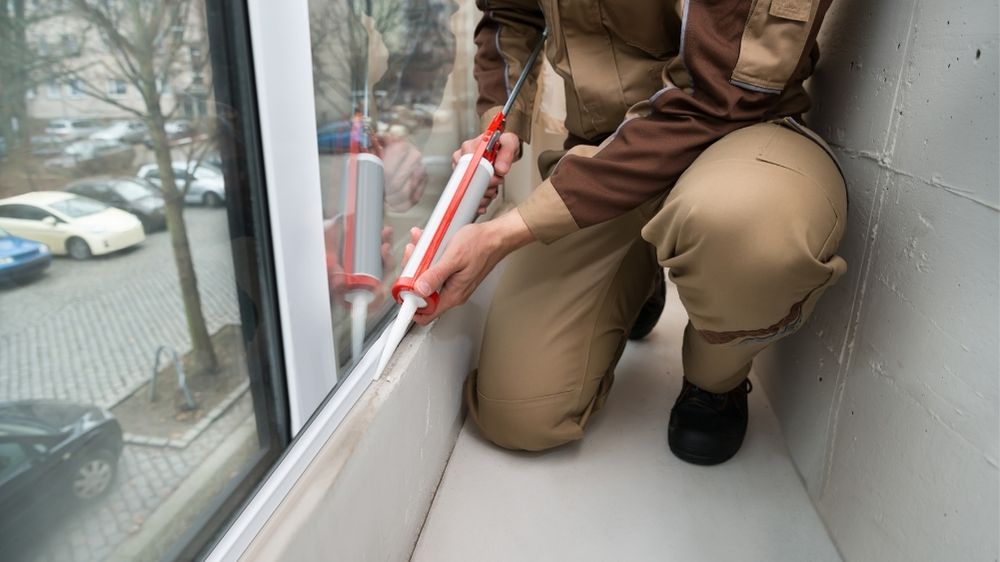
What professional mastic companies actually bring to the table
It is a common misconception that applying mastic is just about squeezing a tube and running a finger along the bead. If you have ever tried this yourself, you likely ended up with sticky residue all over your hands and a finished product that looks lumpy and uneven. Professional mastic companies employ specialists often referred to as ‘mastic men’ who have spent years perfecting the art of the perfect bead. Their value goes far beyond just having a steady hand; it involves a deep understanding of materials, chemistry, and structural requirements.
When you hire experts, you are paying for several key factors:
- Surface Preparation: Professionals know that the secret to a long-lasting seal is in the prep work. This involves removing every trace of old silicone, degreasing the area, and ensuring the surface is bone dry before application.
- Material Selection: Not all sealants are created equal. A professional will know whether to use an acetoxy cure silicone, a neutral cure silicone, or a polymer-based sealant depending on the substrate.
- Colour Matching: Modern mastic companies have access to a vast array of colours beyond just white and clear. They can match your grout, your stone, or your paintwork perfectly to make the sealant blend in seamlessly.
- Longevity and Hygiene: High-quality, professional-grade sealants contain superior anti-fungal properties. This means your bathroom stays mould-free for much longer than it would with a cheap supermarket alternative.
The technical side of choosing the right sealant
One of the main reasons to rely on established mastic companies is their technical knowledge regarding the different types of products available on the market. Using the wrong type of sealant on a specific material can lead to disaster. For example, using a standard acetoxy silicone on a natural stone surface like marble or granite can cause ‘bleeding,’ where the oils from the sealant seep into the porous stone and leave a permanent stain. A professional would know to use a non-bleeding, neutral-cure silicone specifically designed for natural stone.
Furthermore, in commercial settings, there are strict regulations regarding fire safety and air integrity. Specialist companies are equipped to handle intumescent (fire-rated) sealants that expand when exposed to heat, helping to contain fire and smoke within specific compartments of a building. They also understand the requirements for acoustic sealing, which is essential in modern apartment blocks to prevent sound from travelling between units through small gaps in the structure.
Common areas that require expert attention
While bathrooms and kitchens are the most obvious places where you will find mastic, the scope of work for professional mastic companies is much broader. Anywhere two different materials meet, there is usually a need for a professional seal. Some of the most common areas include:
- External Windows and Doors: A weather-tight seal is crucial to prevent water ingress and to improve the energy efficiency of a property by stopping draughts.
- Expansion Joints: In large floor areas or on the exterior of brick buildings, expansion joints allow the structure to move without cracking. These need to be filled with high-movement sealants.
- Sanitary Ware: This includes baths, showers, sinks, and toilets. These areas are high-moisture environments where a waterproof and mould-resistant seal is non-negotiable.
- Skirting Boards and Flooring: Especially with hardwood or laminate flooring, a neat bead of colour-matched mastic looks much more sophisticated than a wooden trim or ‘scotia’.
- Glass and Glazing: Clean lines are essential when sealing glass partitions or curtain walling in modern office buildings.
How to spot a quality mastic contractor
If you are looking to hire, you will find that there are many individuals offering their services, but not all of them operate at the same level. The best mastic companies will usually be able to provide a portfolio of their previous work, showing clean, straight lines and complex joints. They should also be happy to discuss the brands of sealant they use, as reputable contractors rarely use the budget options found in high-street DIY stores.
Cleanliness is another hallmark of a true professional. Mastic is notoriously messy, and a skilled applicator will leave the site exactly as they found it, with no stray blobs of silicone on the carpet or smears on the tiles. They will also be insured and, for larger projects, will be able to provide a guarantee for their work. It is always worth asking about their experience with specific materials, especially if you have expensive finishes like Corian worktops or bespoke glass splashbacks that require a delicate touch.
The true cost of cutting corners
It can be tempting to try and save a bit of money by doing the masticing yourself or asking your plumber to ‘just run a bit of silicone’ around the tray. However, this often turns out to be a false economy. Poorly applied sealant is prone to peeling and cracking within months. Even worse, if the seal is not watertight, you could be looking at slow leaks that rot floorboards and damage the ceiling in the room below before you even realise there is a problem.
When you consider the cost of repairing water damage or the price of having to strip out and redo the sealant a year later, the initial investment in professional mastic companies starts to look very sensible. A professional finish can last five to ten years if maintained correctly, whereas a poor job might fail in less than twelve months. The peace of mind that comes with knowing your home is fully protected against moisture is worth the extra expense.
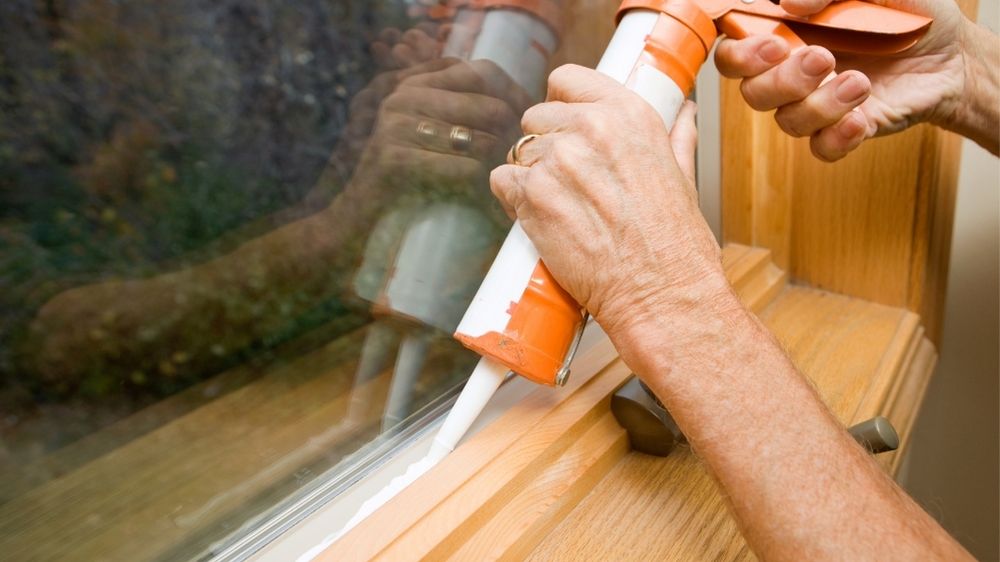
The process of a professional application
When a specialist arrives at your home or site, they follow a very specific process to ensure the best results. First, they will assess the joint width and depth. If a gap is too deep, they will use a foam backing rod to fill the space before applying the sealant. This ensures that the mastic only bonds to the two sides of the joint (two-point adhesion), which allows it to stretch and compress properly as the building moves. If it sticks to the back of the joint as well (three-point adhesion), it is much more likely to tear.
They then apply the sealant using professional-grade guns that provide a consistent flow of material. The ‘tooling’ stage follows, where they use specialist spatulas and smoothing agents to create the perfect shape. Unlike the ‘wet finger’ method, these tools create a consistent angle that encourages water to run off the sealant rather than pooling on top of it. This small technical detail is one of the biggest factors in preventing mould growth over the long term. By creating a smooth, non-porous surface, they ensure that there are no microscopic pits where bacteria and fungi can take hold.

Rachel is a health and wellness writer specializing in balanced nutrition, lifestyle changes, and preventive care to support long-term well-being.