
The comfort of staying in your own home in Helensburgh

There is something uniquely comforting about the streets of Helensburgh. Whether it is the stunning views over the Gare Loch, the quiet beauty of Hermitage Park, or simply the familiarity of the local shops along Sinclair Street, this town feels like home to those who have spent decades here. As we get older, the desire to stay within these familiar surroundings often grows stronger. However, there sometimes comes a point where the daily tasks of life become a bit more challenging than they used to be. This is where the conversation about domiciliary care Helensburgh usually begins.
For many families, the idea of moving a loved one into a residential facility can feel like a heavy burden. There is a common misconception that once someone needs help with their daily routine, they have to leave their cherished home behind. In reality, modern home-based support is designed to prevent exactly that. It is about providing just enough assistance to ensure safety and well-being while allowing an individual to maintain their independence, their hobbies, and their connection to the Helensburgh community.

What professional home support really involves
When people talk about domiciliary care, they are often surprised by how flexible and varied the services can be. It is not a one-size-fits-all solution; rather, it is a bespoke arrangement that evolves as a person’s needs change. Some might only require a friendly face to pop in once a day for a chat and a cup of tea, while others might need more intensive support with physical health or mobility.
Personal care and daily routines
At its core, home care focuses on the essential tasks that allow a person to start and end their day with dignity. This includes assistance with things that many of us take for granted, such as:
- Help with bathing, dressing, and grooming to maintain personal hygiene.
- Assistance with getting in and out of bed safely.
- Support with continence care and toileting.
- Help with preparing nutritious meals that cater to specific dietary requirements.
By having a professional carer handle these tasks, the pressure is taken off family members, allowing them to focus on spending quality time with their loved ones rather than acting solely as a provider of physical care.
Medication management and health monitoring
Managing multiple prescriptions can be a daunting task, especially if memory issues or complex health conditions are involved. Carers play a vital role in ensuring that medications are taken at the correct times and in the right dosages. Beyond just handing over a pill, they are also trained to spot subtle changes in a person’s health. In a town like Helensburgh, where many residents live in older properties that can be tricky to navigate, having a professional eye on a person’s physical state can prevent falls and catch minor health issues before they become emergencies.
Why local knowledge matters for care in Argyll and Bute
Choosing a local provider for home care makes a significant difference in the quality of the experience. A carer who knows the Helensburgh area understands the local climate, the layout of the town, and the importance of community events. They might know exactly which local bakery someone prefers or which route to take for a gentle walk along the promenade when the weather is fair.
This local connection helps build a sense of trust and rapport. It is much easier to welcome someone into your home when they feel like a part of the same community. Furthermore, local providers can often respond more quickly to changes in schedules or urgent needs, as their staff are already based within the Argyll and Bute area. They understand the logistical nuances of the region, from the train schedules to Glasgow to the best times to visit the local GP surgeries.
How to tell when it is time to consider extra help
It is often difficult for families to recognise the exact moment when professional support is needed. Often, the changes are gradual. You might notice that a parent’s house isn’t as tidy as it used to be, or that they seem to be losing weight because they aren’t cooking proper meals. Sometimes, the signs are more social; a person might stop attending their usual groups at the Victoria Halls or become more withdrawn.
Common indicators that it might be time to look into home care include:
- Frequent forgetfulness, such as leaving the hob on or forgetting appointments.
- Unexplained bruising, which may suggest undiagnosed falls or mobility struggles.
- A decline in personal grooming or wearing the same clothes for several days.
- Loneliness and social isolation, which can have a profound impact on mental health.
- The primary family carer feeling burnt out or overwhelmed by the level of support required.
Starting the conversation early is usually the best approach. It allows the individual to be part of the decision-making process, ensuring they feel in control of their own life and how their care is organised.
Making the transition to home-based support
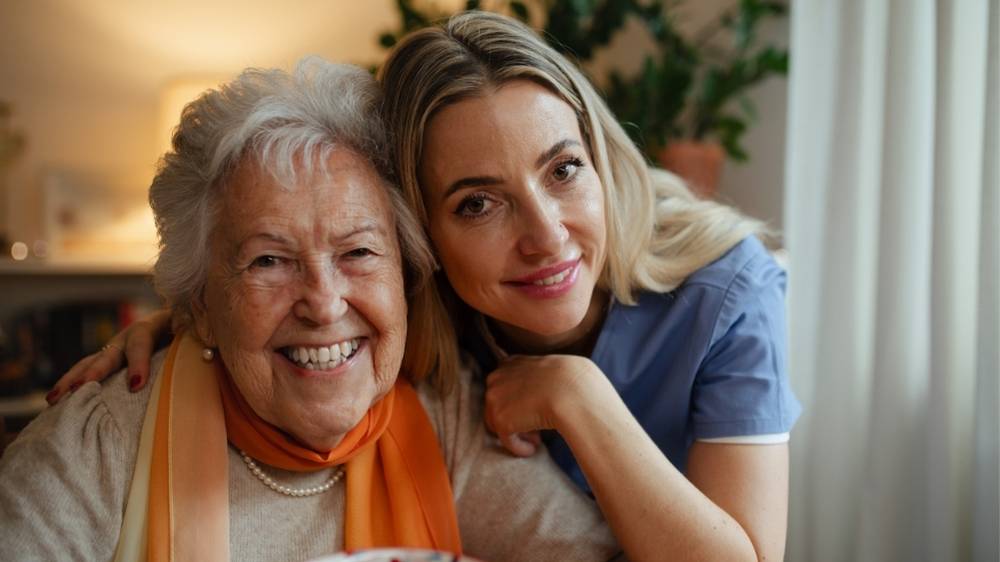
The transition to having a carer in the home is a significant life event. It requires a high level of sensitivity and respect for the individual’s privacy. Professional carers are trained to be unobtrusive and to honour the rules of the household. They aren’t there to take over; they are there to facilitate. This might mean helping with light housework like laundry or vacuuming, or it could mean accompanying someone to a local appointment or a visit to the Hill House.
This level of companionship is often the most valued part of the service. For someone living alone, the arrival of a carer can be the highlight of their day. It provides a vital social link, reducing the risk of depression and keeping the mind active through conversation and shared activities. Whether it’s discussing the latest news or simply reminiscing about the history of Helensburgh, these interactions are fundamental to a person’s quality of life.
The impact on family dynamics and peace of mind
One of the biggest beneficiaries of home care is the wider family. When a loved one is struggling, children and spouses often step into the role of carer out of necessity. While this comes from a place of love, it can place a massive strain on relationships and the mental health of the family member. It is hard to be a supportive daughter or son when you are also a full-time nurse, cleaner, and cook.
Professional support restores the natural balance of the family. It gives children the peace of mind to go to work or look after their own families, knowing that their parent is safe and well-cared for. It allows for a higher quality of life for everyone involved. Knowing that a qualified professional is visiting regularly provides a safety net that simply cannot be replicated by occasional check-ins from neighbours or friends.
The goal of any care plan is to promote independence, not take it away. By choosing a tailored approach to support, residents of Helensburgh can continue to enjoy everything their beautiful town has to offer, surrounded by their own memories and possessions, for as long as possible. It is a way of ensuring that the later years of life are spent with the dignity, comfort, and respect that every person deserves.

Rachel is a health and wellness writer specializing in balanced nutrition, lifestyle changes, and preventive care to support long-term well-being.